


Key Takeaways
- Leveraging AI and digital tools enhances recruitment efficiency and candidate matching.
- Remote work policies expand talent pools and improve candidate quality.
- Focusing on internal talent development addresses retention challenges.
- Data-driven recruitment strategies optimize hiring processes and outcomes.
Introduction
The dynamics of talent acquisition have evolved dramatically as organizations adapt to new business landscapes and changing employee expectations. Outdated, rigid recruitment methods are now giving way to more agile, technology-driven strategies designed to attract the best candidates. Utilizing advanced solutions such as applicant tracking software enables employers to manage recruitment workflows more efficiently and connect with top talent, no matter where they reside.
This digital transformation in recruitment is not only improving efficiency but also enabling organizations to refine their processes and build diverse, high-performing teams better aligned with corporate goals. Through smart integrations and personalized communication, businesses are setting new benchmarks for hiring excellence and candidate engagement.
Harnessing AI in Recruitment
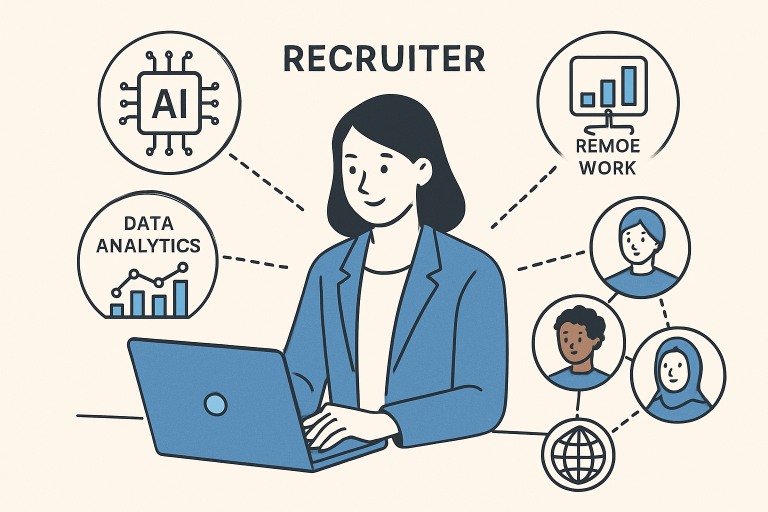
Artificial Intelligence (AI) has fundamentally changed the landscape of talent acquisition. With AI-powered solutions, recruiters can automate labor-intensive tasks such as resume parsing and candidate matching, enabling a more consistent, objective screening process. Advanced algorithms sift through thousands of resumes to identify the most qualified candidates based on experience, skills, and cultural fit. AI not only reduces human bias but also significantly accelerates time-to-hire by streamlining repetitive assessments and communications. Recent industry reports highlight how more than 67% of companies now leverage AI to drive talent sourcing and improve hiring precision.
AI-generated job descriptions and skills assessments ensure job listings stay up to date with market demand, further enhancing the match between candidates and open roles. This data-driven matching leads to more successful placements and reduces turnover, benefiting both employers and employees.
Expanding Talent Pools with Remote Work
The widespread adoption of remote work policies has removed geographic barriers to recruitment, empowering organizations to seek out specialized talent from a global pool. According to a recent survey, 83% of recruiters believe the quality of applicants has improved with remote work, as organizations can tap into new networks and gain access to skill sets that were previously out of reach.
This expanded reach increases workforce diversity and promotes more inclusive hiring, while also supporting business continuity through access to a broader array of expertise. Candidates now value flexibility as a key job attribute, making remote work an essential differentiator for companies hoping to stand out in a competitive labor market.
Focusing on Internal Talent Development
Although bringing in new talent remains essential, organizations are increasingly investing in the growth and development of current employees. Leadership and management development has now become a top priority among HR professionals, reinforcing the importance of upskilling and succession planning.
By nurturing internal talent, businesses build long-term resilience and improve retention rates. Development programs focused on leadership, technical proficiency, and cross-functional capabilities ensure teams remain agile, engaged, and able to meet evolving marketplace demands.
Implementing Data-Driven Recruitment Strategies
Data analytics is revolutionizing recruitment strategy by providing actionable insights into every step of the hiring process. Tracking key metrics such as time-to-fill, cost-per-hire, and candidate sources enables organizations to identify inefficiencies and optimize the pipeline. Analytical tools also support predictive hiring, allowing HR teams to anticipate future needs and build talent pipelines proactively.
Regularly reviewing recruitment data facilitates evidence-based decision-making, ultimately leading to better hiring outcomes and higher-quality hires. For insights on how leading companies are leveraging data to transform recruitment, see this analysis from TechRadar.
Enhancing Candidate Experience
In a fiercely competitive job market, delivering an outstanding candidate experience is critical. Job seekers expect a straightforward, transparent, and responsive hiring process. Streamlined application systems, prompt feedback, and clear communication are essential for building trust and keeping candidates engaged until onboarding. A positive recruitment journey reflects well on an organization, encouraging candidates to accept offers and recommend employers within their networks.
Employers who prioritize candidate-centric experiences not only attract more applicants but also enhance their employer brand, gaining a reputational edge in the industry.
Embracing Diversity and Inclusion
Firm commitments to diversity, equity, and inclusion define modern recruiting excellence. Organizations that design unbiased recruitment strategies and actively foster inclusive cultures are more likely to attract creative, innovative, and engaged employees. Structured interview processes, blind resume screening, and diverse interview panels promote fairness and help eliminate unconscious bias.
Fostering an inclusive environment extends beyond hiring and signals to both candidates and clients that the organization champions equal opportunity and collaborative growth. For more details on best practices for creating diverse teams, explore the Harvard Business Review guidelines.
Conclusion
Achieving recruitment excellence in today’s workplace involves a comprehensive, multi-faceted approach that goes beyond traditional hiring practices. Organizations must leverage technology to streamline processes, implement flexible policies that meet diverse employee needs, and invest in internal development programs to nurture talent from within. The strategic use of data analytics enables informed decision-making, while a genuine commitment to diversity and inclusion fosters a welcoming environment that appeals to top candidates. By integrating these practices, companies can effectively attract, hire, and retain skilled professionals, ensuring operational continuity, driving innovation, and maintaining a competitive advantage in an ever-changing business landscape.
