

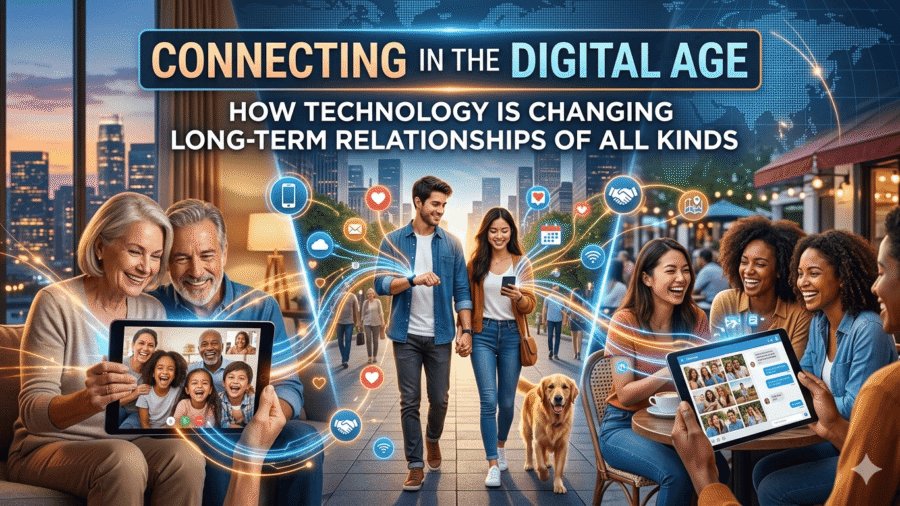
Long-term relationships are not limited to romantic partnerships. They include friendships that span decades, close family bonds, mentor relationships, and even professional connections that grow over time. Technology has reshaped all of these relationships in profound ways, influencing how people communicate, maintain connection, resolve conflict, and preserve shared history.
While digital tools have made it easier than ever to stay in touch, they have also introduced new challenges. Understanding how technology affects different types of long-term relationships can help people build stronger, more meaningful connections in a fast-moving world. Continue reading to find out more.
Table of Contents
Communication Is Easier, But Not Always Better
Technology has made communication faster and more accessible across all types of relationships. Whether it is a quick text to a sibling, a group chat with old friends, or a video call with a mentor, staying connected no longer requires being in the same place.
For friendships and family relationships, this can be a huge advantage. People can maintain bonds despite busy schedules or geographic distance. Group chats, in particular, have become a modern way of keeping shared conversations alive over time.
However, the ease of communication can sometimes reduce its quality. Messages can feel rushed, and the tone is often misunderstood. In professional or mentor relationships, this can lead to confusion or missed opportunities to connect more deeply. In personal relationships, it can cause unnecessary tension.
Long-term relationships often benefit from mixing digital communication with more intentional conversations, such as phone calls or in-person meetups when possible.
Social Media Expands Connection and Comparison
Social media allows people to stay updated on each other’s lives in ways that were not possible before. You can see a childhood friend’s career milestones, a cousin’s growing family, or a colleague’s achievements without direct communication.
This passive connection can help maintain relationships over time, especially when life becomes busy. It keeps people in each other’s orbit, even if they are not speaking regularly.
At the same time, social media can create comparison. Seeing curated highlights of others’ lives may lead to feelings of inadequacy or distance. In friendships, this might look like wondering why someone shares updates online but rarely reaches out directly. In family relationships, it can create tension if expectations around communication are not aligned.
Being mindful of how social media is used, and prioritizing direct interaction, can help maintain authenticity in long-term connections.
Long-Distance Relationships Are More Sustainable
Technology has made it easier to maintain long-distance relationships of all kinds. Friends who move away, family members living in different countries, and professional contacts across time zones can all stay connected through digital tools.
Video calls, voice notes, and shared online activities help bridge the gap. For families, this might mean grandparents staying involved in a child’s life despite living far away. For friendships, it allows bonds to continue even when life paths diverge geographically.
Still, distance can affect the depth of connection if not managed intentionally. Digital communication should complement, not replace, meaningful interaction. Scheduling regular catch-ups or planning occasional visits can help keep relationships strong.
Shared Digital Memories Strengthen Bonds
Technology has transformed how people document and revisit shared experiences. Photos, videos, and messages create a digital record of relationships over time, which can be especially meaningful in long-term connections.
Looking back on old memories can reinforce bonds and provide a sense of continuity. For example, reconnecting with past experiences or using tools that let you see high school pictures can spark conversations between friends or family members about how far they have come. These shared reflections often deepen understanding and appreciation.
In professional relationships, revisiting milestones such as past projects or achievements can also strengthen connections and highlight growth.
However, digital memories can also bring challenges. Old conflicts or difficult moments may resurface, making it harder to move forward. Being selective about what is revisited and focusing on positive experiences can help maintain healthy relationships.
Technology Changes Expectations Around Availability
One of the biggest shifts across all types of relationships is the expectation of availability. With smartphones and constant connectivity, people are often expected to respond quickly, regardless of the context.
In friendships, delayed responses can sometimes be misinterpreted as disinterest. In family relationships, there may be an expectation to stay constantly updated. In professional relationships, the line between work and personal time can become blurred.
Setting boundaries is essential. Clear communication about availability and response times can prevent misunderstandings and help maintain respect in long-term relationships.
Conflict Looks Different in a Digital World
Technology has changed how conflicts arise and are resolved. Disagreements can now happen over text or email, where tone and intent are harder to interpret.
In friendships and family relationships, this can lead to unnecessary escalation. A message that was meant to be neutral may come across as critical or dismissive. In professional settings, miscommunication can affect collaboration and trust.
Resolving conflict often requires stepping away from digital communication and having a more direct conversation. Hearing someone’s voice or speaking face-to-face can provide clarity and reduce misunderstandings.
Technology Can Strengthen or Weaken Intimacy
Intimacy is not limited to romantic relationships. It exists in close friendships, family bonds, and even long-term professional relationships built on trust.
Technology can enhance intimacy by making it easier to share thoughts, experiences, and support. A simple message of encouragement or a quick check-in can go a long way in maintaining connection.
At the same time, excessive screen time can create distance. Being physically present but mentally absorbed in a device can weaken the quality of interaction. This is especially true in family settings, where shared time may be interrupted by constant notifications.
Prioritizing device-free moments can help strengthen these connections and ensure that relationships remain meaningful.
Professional Relationships Are Becoming More Personal
Technology has also blurred the lines between personal and professional relationships. Platforms like LinkedIn, messaging apps, and remote work tools have made it easier to maintain long-term professional connections.
Colleagues can stay in touch even after changing jobs, and mentors can continue to provide guidance from a distance. Over time, these professional relationships often become more personal, built on shared experiences and mutual support.
However, this increased connectivity also requires balance. Maintaining professionalism while building genuine connections is key to sustaining long-term relationships in a digital work environment.
Building Strong Relationships in a Digital Age
Technology is not inherently good or bad for relationships. Its impact depends on how it is used. Across friendships, family bonds, and professional connections, the most successful long-term relationships tend to share a few common traits.
They prioritize clear communication, set healthy boundaries, and make time for meaningful interaction beyond screens. They use technology as a tool to enhance connection, not replace it.
Simple habits can make a difference. These might include scheduling regular catch-ups, limiting device use during important conversations, or being intentional about staying in touch with people who matter.
Rounding It All Up
Technology has reshaped long-term relationships of all kinds, making it easier to stay connected while also introducing new challenges. It has expanded communication, preserved memories, and bridged physical distance, but it has also created new expectations and potential sources of tension.
The key lies in balance and intention. By being mindful of how technology is used, people can nurture stronger, more resilient relationships that continue to grow over time, regardless of distance or circumstance.
