
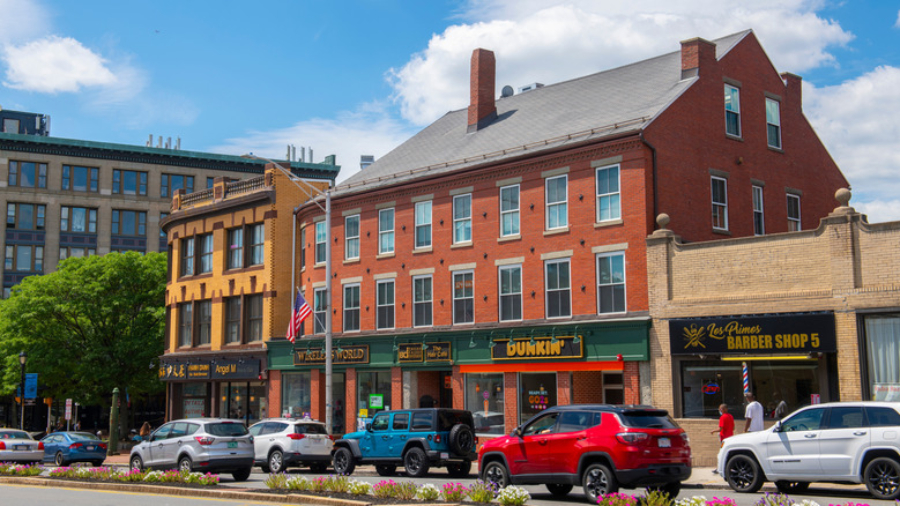
Malden, Massachusetts: A Complete City Guide for 2026

Malden, Massachusetts: A Complete City Guide for 2026

Thinking about moving to Malden, Massachusetts — or want to know what makes this city tick? You’re in the right place. Malden, MA, is one of Greater Boston’s most diverse and well-connected cities, yet it often flies under the radar compared to its neighbors. That’s actually what makes it special. This guide covers everything you need to know about the city of Malden — from its schools and neighborhoods to its weather, history, and local life.

What is Malden, Massachusetts?
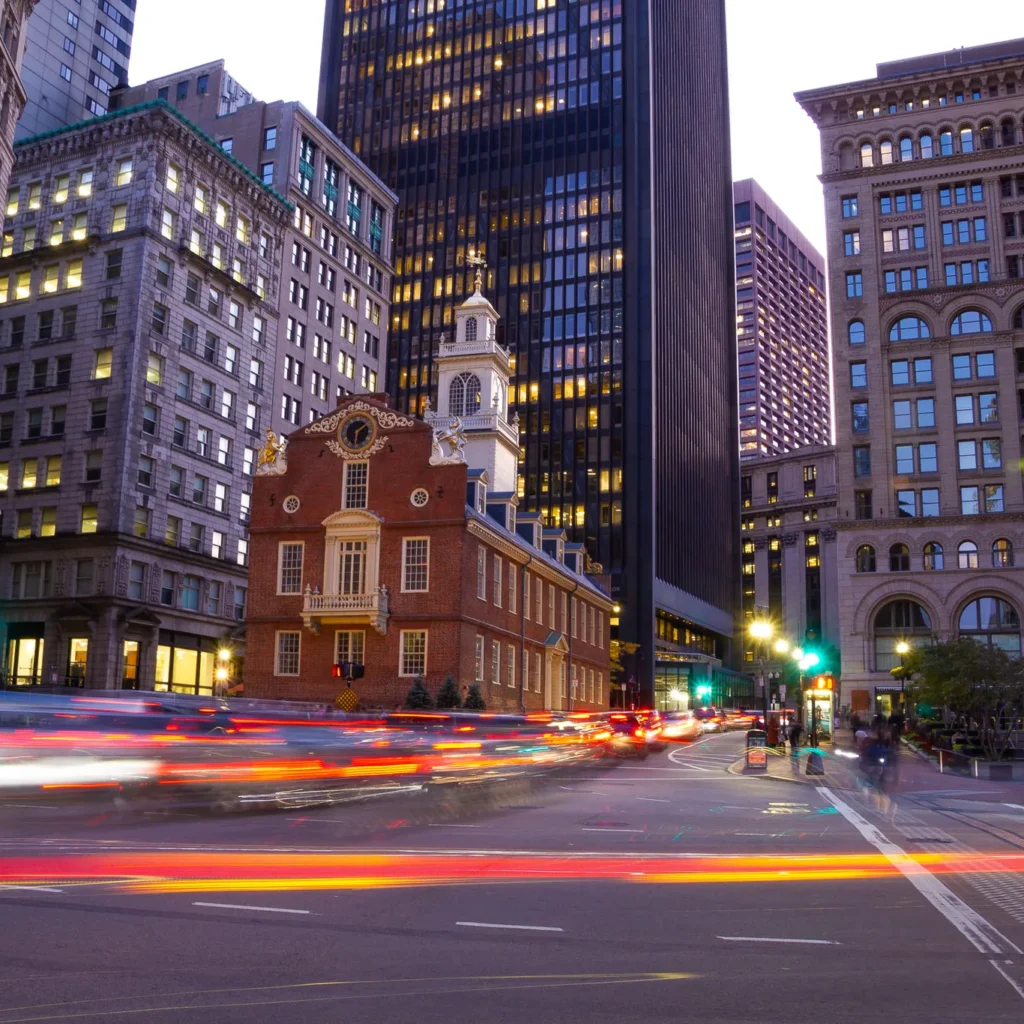
Malden, Massachusetts, is a suburban city in Middlesex County, located just 5 miles north of downtown Boston. With a population of over 66,000 residents, Malden, MA, is one of the most densely populated and ethnically diverse cities in the state, known for its strong community spirit, excellent transit access, and affordable cost of living relative to Boston.

Settled in 1640 and officially incorporated as a city in 1882, Malden has a rich history stretching back to colonial New England. Today, it is governed by Mayor Gary Christenson under a mayor-council structure. The city covers just over 5 square miles — small in size, but big in character.

Malden sits on the MBTA Orange Line, giving residents fast, direct access to downtown Boston. That combination of suburban comfort and urban convenience is exactly why so many people choose to call Malden home. [Link: guide to living near Boston on a budget]

Malden, MA, at a glance: key facts

66,952
Population (2024 est.)
5.08 mi²
Total area
1640
Year settled
02148
ZIP code
5 miles
From Boston
339/781
Area code
FeatureDetails
CountyMiddlesex County, Massachusetts
MayorGary Christenson (D)
BordersMelrose, Everett, Medford, Revere, Saugus
TransitMBTA Orange Line — Malden Center station
Nearest airportLogan International Airport (~6 miles)
Official websitecityofmalden.org

Malden Center: the heart of the city

Malden Center is the downtown core of Malden, Massachusetts, and the city’s most active hub. It is home to the Malden Center MBTA Orange Line station, which makes commuting to Boston fast and easy. The area has restaurants, local shops, and government offices all within walking distance.

Like many historic New England cities, Malden is organized around neighborhood “squares” — intersections that serve as local community hubs. Malden Center is the largest and busiest of these squares. Other notable neighborhood areas include Faulkner, Edgeworth, Forestdale, and Maplewood. [Link: best neighborhoods to live in Malden, MA]

Malden weather: what to expect

Malden weather follows the typical New England pattern — and that means all four seasons in full force. Winters are cold, with temperatures often dropping below freezing and snowfall between December and March. Summers are warm and humid, with average highs reaching the mid-80s°F in July.

  • Winter (Dec–Feb): cold, snowy, avg. lows around 20–25°F
  • Spring (Mar–May): mild, rainy, great for outdoor walks
  • Summer (Jun–Aug): warm and humid, avg. highs in the low-to-mid 80s°F
  • Fall (Sep–Nov): crisp, colorful foliage, ideal weather for exploring

The city’s low elevation of just 13 feet above sea level means it rarely gets extreme cold snaps compared to inland Massachusetts towns. [Source: NOAA weather data for Middlesex County]

Schools in Malden, Massachusetts

Education is a big reason families choose Malden, MA. The city has strong public and private school options, making it competitive with many Greater Boston suburbs.

Malden High School

Malden High School is a public high school located at 77 Salem Street. It serves grades 9–12 with an enrollment of approximately 1,894 students. The school’s mascot is the Golden Tornado, and its colors are navy and gold. NEASC accredits Malden High and competes in the Greater Boston League. It was established in 1857, making it one of the oldest public high schools in Massachusetts.

Malden Catholic High School

Malden Catholic is a top-ranked private Catholic high school located at 99 Crystal Street, sponsored by the Xaverian Brothers. Founded in 1932, it follows a unique coeducational model — separate academic classes for young men and women, with integrated extracurricular activities. Its motto is “Plus Ultra,” meaning “more beyond.”

  • Grades 7–12, enrollment approximately 762 students
  • Ranked in the top 20% of private schools in Massachusetts
  • Offers 17 AP courses and Project Lead the Way STEM programs
  • Known for strong athletics across 31 sports
  • 2024–25 tuition approximately $18,800 per year
[Link: private vs public high schools in Greater Boston]

Malden Public Library

The Malden Public Library is a cornerstone of community life in the city of Malden. It offers free access to books, digital resources, programs for children and adults, and community meeting spaces. The library is part of the Minuteman Library Network, giving Malden residents access to collections across dozens of Massachusetts libraries. [Link: best public libraries near Boston]

Karl Malden: the famous face behind the name

Many people search “Karl Malden” alongside this city — and it’s worth addressing. Karl Malden was a celebrated American actor, best known for his Oscar-winning role in “A Streetcar Named Desire” (1951) and his long-running TV series “The Streets of San Francisco.” However, he had no direct connection to Malden, Massachusetts. The city’s name actually dates back to Malden, Essex, in England, from which early settlers came in the 1600s.

Despite this mix-up, Karl Malden’s name recognition has consistently driven search traffic to information about Malden, MA, which tells you something about how curious people are about this city.

Why do people choose to live in Malden, MA

Malden, Massachusetts, punches above its weight for such a compact city. Here’s what draws people in — and keeps them:

  1. Direct Orange Line access — Malden Center station connects residents to downtown Boston in under 20 minutes
  2. Cultural diversity — Malden ranks in the top quartile for diversity index among all Massachusetts cities and towns
  3. Affordable housing — median home values and rents are significantly lower than in neighboring Cambridge, Somerville, and Medford
  4. Strong school options — both Malden High School and Malden Catholic provide solid educational pathways
  5. Community programs — the city actively funds parks, the Teen Enrichment Center, and sustainability initiatives, including its Green Community designation

Frequently asked questions about Malden, Massachusetts.

Where is Malden, Massachusetts located?
Malden, Massachusetts is located in Middlesex County, approximately 5 miles north of downtown Boston. It borders Melrose to the north, Everett to the south, Medford to the west, and Revere to the east. The ZIP code for Malden MA is 02148.
What is Malden MA known for?
Malden MA is known for its exceptional cultural diversity, direct MBTA Orange Line access to Boston, and strong sense of community. It is also home to Malden Catholic High School, one of the top-ranked private schools in Massachusetts, and the historic Malden Public Library.
Is Malden Massachusetts a good place to live?
Yes — Malden Massachusetts is considered a great place to live for people who want Boston access without Boston prices. The city offers diverse neighborhoods, strong schools, good public transit, and an active local government. It consistently ranks well for diversity and livability among Middlesex County cities.
What is the weather like in Malden, MA?
Malden weather follows a typical New England pattern with four distinct seasons. Winters are cold with regular snowfall, while summers are warm and humid. Spring and fall are mild and pleasant. Average summer highs reach the low-to-mid 80s°F and winter lows can fall to the low 20s°F.
What schools are in Malden, Massachusetts?
Malden has several notable schools including Malden High School (public, grades 9–12, est. 1857) and Malden Catholic High School (private, grades 7–12, est. 1932). The Malden Public Schools district also operates multiple elementary and middle schools throughout the city.
What is the population of Malden, MA?
As of 2024, the estimated population of Malden, Massachusetts is approximately 66,952, making it one of the larger cities in Middlesex County. The 2020 U.S. Census recorded a population of 66,263. Malden is one of the most densely populated cities in the state at over 13,000 residents per square mile.

Conclusion

Malden, Massachusetts, is far more than a suburb sitting in Boston’s shadow. It is a vibrant, diverse, well-connected city with a proud history, strong schools, and a community that genuinely looks out for its residents. Whether you’re drawn by the Orange Line commute, Malden Catholic’s academic reputation, the Malden Public Library, or simply the search for an affordable city near Boston, Malden, MA delivers.

If you’re considering a move or just exploring what Greater Boston has to offer, Malden deserves a serious look. It’s the kind of place that rewards those who take the time to discover it.

Found this guide helpful?

Share it with someone researching Malden, MA — or ask a follow-up question below.

Explore Malden neighborhoods ↗

Comments are closed.